Kids Are Not the Problem: An Interview With Gretchen LeFever Watson
兒童不是問題(Kids Are Not the Problem):與Gretchen LeFever Watson的訪談(An Interview With Gretchen LeFever Watson)
“Psychiatry has done an incredible job convincing the public that mental health disorders are real medical diseases. When I say that, people look at me like I’m out of touch. But no, I’m pretty up to date. I think they’re just buying what’s being sold.”
「精神病學(psychiatry)已經做了令人難以置信的工作,說服公眾心理健康障礙(mental health disorders)是真正的醫學疾病(real medical diseases)。當我這麼說時,人們看著我像是我脫節(out of touch)。但不,我相當跟得上時代(up to date)。我認為他們只是買進了被兜售的東西(buying what’s being sold)。」
By Brooke Siem -January 22, 2025
文章來源:https://www.madinamerica.com/2025/01/kids-are-not-the-problem-an-interview-with-gretchen-lefever-watson/
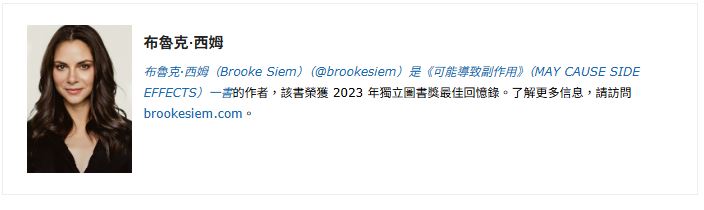
In this interview, Brooke Siem, who is the author of a memoir on antidepressant withdrawal, May Cause Side Effects, interviews Gretchen LeFever Watson, PhD.
在這次訪談中,Brooke Siem——一本關於抗抑鬱藥(antidepressant)戒斷(withdrawal)的回憶錄《可能引起副作用》(May Cause Side Effects)的作者——訪談Gretchen LeFever Watson博士(PhD)。
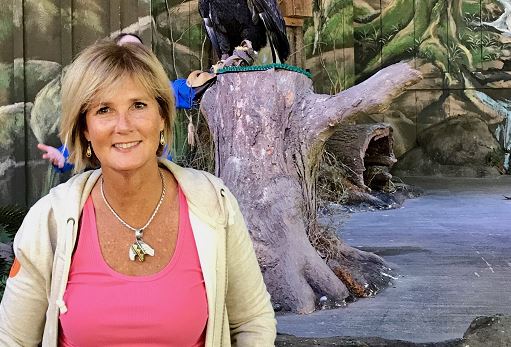
Gretchen is a developmental and clinical psychologist with postdoctoral training in pediatric psychology. She has served as a professor in multiple disciplines at universities and medical schools in the United States and abroad and as the patient safety director for a large healthcare system. She secured millions in federal funding to study the epidemiology of psychiatric drug use and to develop community-based strategies that reduce reliance on psychiatric labels and medications—strategies that also improved educational outcomes.
Gretchen是一位發展與臨床心理學家(developmental and clinical psychologist),擁有兒科心理學(pediatric psychology)的博士後訓練(postdoctoral training)。她曾在美國和國外的多所大學和醫學院擔任多個學科的教授,並擔任一家大型醫療保健系統(healthcare system)的患者安全主任(patient safety director)。她獲得了數百萬美元的聯邦資金(federal funding),用於研究精神藥物(psychiatric drug)使用的流行病學(epidemiology),並開發社區為基礎的策略(community-based strategies),以減少對精神標籤(psychiatric labels)和藥物(medications)的依賴——這些策略也改善了教育成果(educational outcomes)。
In 2008, BMJ recognized her as one of 100 international scientists journalists could count on for unbiased reviews of health research. Dr. Watson is an academic affiliate at the University of South Carolina and the author of the Amazon bestseller Your Patient Safety Survival Guide: How to Protect Yourself and Others from Medical Errors. She lives in Virginia Beach and loves to windsurf.
在2008年,BMJ(BMJ)認可她為100位國際科學家之一,記者可以依賴她對健康研究(health research)的無偏見評論(unbiased reviews)。Watson博士是南卡羅來納大學(University of South Carolina)的學術附屬(academic affiliate),也是亞馬遜暢銷書(Amazon bestseller)《你的患者安全生存指南:如何保護自己和他人免於醫療錯誤》(Your Patient Safety Survival Guide: How to Protect Yourself and Others from Medical Errors)的作者。她住在維吉尼亞海灘(Virginia Beach),喜歡風帆衝浪(windsurf)。
The transcript below has been edited for length and clarity. Listen to the audio of the interview here.
以下轉錄已編輯以求長度和清晰度(The transcript below has been edited for length and clarity)。在此收聽訪談的音頻(Listen to the audio of the interview here)。

Brooke Siem: Gretchen, I didn’t know you were recognized as one of 100 international scientists journalists can rely on for unbiased reviews of health research. That distinction is relevant because you earned it after a fascinating series of events surrounding your ADHD research. Could you share your background on ADHD research and what happened in the late ’90s and early 2000s?
Brooke Siem:Gretchen,我不知道你被認可為100位國際科學家之一,記者可以依賴你對健康研究(health research)的無偏見評論(unbiased reviews)。這個殊榮(distinction)相關,因為你在圍繞你的ADHD研究的一系列引人入勝的事件(fascinating series of events)之後獲得了它。你能分享你的ADHD研究背景,以及在90年代晚期(late ’90s)和2000年代早期(early 2000s)發生了什麼嗎?
Gretchen LeFever Watson: During the late ’90s through the mid-2000s, I was studying the prevalence—or epidemiology—of ADHD. What I found differed from what ADHD “experts” were saying. For instance, Dr. Joseph Biederman of Harvard and Dr. Russell Barkley claimed that too few children were diagnosed with ADHD and even fewer were medicated. They argued that undiagnosed or unmedicated ADHD put children at risk for negative outcomes, particularly later substance abuse disorders.
Gretchen LeFever Watson:在90年代晚期(late ’90s)到2000年代中期(mid-2000s),我正在研究ADHD的盛行率(prevalence)——或流行病學(epidemiology)。我發現的與ADHD「專家」(experts)所說的不同。例如,哈佛(Harvard)的Joseph Biederman博士和Russell Barkley博士聲稱太少的兒童被診斷為ADHD,甚至更少的被用藥(medicated)。他們主張,未診斷(undiagnosed)或未用藥(unmedicated)的ADHD讓兒童處於負面結果(negative outcomes)的風險,特別是後來的物質濫用障礙(substance abuse disorders)。
I was seeing something very different. I took a job in a pediatric department in San Diego right out of graduate school, and I was part of a multidisciplinary team that assessed children for all kinds of learning, behavioral, and school problems. I was there for three and a half years and we almost never diagnosed a child with ADHD. The few times we did it was because people were insisting there was a problem, and we could find no other explanation for the children’s difficulties.
我看到了非常不同的情況。我剛從研究所(graduate school)畢業,就在聖地牙哥(San Diego)的兒科部門(pediatric department)找到一份工作,我是多學科團隊(multidisciplinary team)的一員,評估兒童各種學習(learning)、行為(behavioral)和學校問題(school problems)。我在那裡待了三年半,我們幾乎從未診斷(diagnosed)兒童有ADHD。少數幾次我們這麼做,是因為人們堅持有問題,而我們找不到兒童困難的其他解釋。
Siem: Roughly what year was this?
LeFever Watson: This was the early ’90s through 1993. A year later, the pediatrician heading our team was recruited to Virginia to open a new neurodevelopmental center. He invited me to join his team there, and we set up a similar multidisciplinary assessment clinic in Virginia Beach.
Siem:這大概是哪一年?
LeFever Watson:這是90年代早期(early ’90s)到1993年。一年後,領導我們團隊的兒科醫師(pediatrician)被招募到維吉尼亞(Virginia)開設一個新的神經發育中心(neurodevelopmental center)。他邀請我加入他的團隊,我們在那裡的維吉尼亞海灘(Virginia Beach)設立了一個類似的多學科評估診所(multidisciplinary assessment clinic)。
Siem: What is a multidisciplinary assessment?
LeFever Watson: It’s when a child is evaluated by a team of specialists, such as developmental pediatricians, psychologists, educators, speech pathologists, occupational therapists, physical therapists, and social workers. Each specialist conducts independent assessments, and then we collaborate to determine what’s going on with the child and how to help them and their family succeed.
In San Diego, this approach was very successful. But in Virginia Beach, all of a sudden, the developmental pediatricians were diagnosing lots of kids with ADHD. I kept questioning these diagnoses, saying, “I don’t see it. Where is this coming from?”
So, I reviewed our clinic’s first 188 consecutive cases—and over 75% of the children were diagnosed with ADHD. My colleagues claimed it was a referral bias, saying we were seeing a backlog of undiagnosed cases in the region. But ADHD diagnoses were everywhere—my daughter’s kindergarten classmates, cocktail party discussions—it didn’t make sense. A supportive pediatrician encouraged me to write a research proposal, so I did. We had an incredible opportunity where the school nurses in the five districts in Southeastern Virginia collaborated with me on that study because they were concerned that too many kids were on Ritalin and Adderall..
Siem:什麼是多學科評估(multidisciplinary assessment)?
LeFever Watson:那是當兒童由一團隊專家評估時,例如發展兒科醫師(developmental pediatricians)、心理學家(psychologists)、教育工作者(educators)、語言病理學家(speech pathologists)、職業治療師(occupational therapists)、物理治療師(physical therapists)和社會工作者(social workers)。每位專家進行獨立評估(independent assessments),然後我們合作確定兒童的情況,以及如何幫助他們和他們的家庭成功(succeed)。
在聖地牙哥(San Diego),這種方法非常成功。但在維吉尼亞海灘(Virginia Beach),突然之間,發展兒科醫師診斷了很多兒童有ADHD。我一直質疑這些診斷,說:「我看不出來。這是從哪來的?」
所以,我審查了我們診所的前188個連續案例(consecutive cases)——超過75%的兒童被診斷為ADHD。我的同事聲稱這是轉介偏差(referral bias),說我們看到了該地區積壓(backlog)的未診斷案例。但ADHD診斷到處都是——我女兒的幼稚園同學(kindergarten classmates)、雞尾酒派對(cocktail party)討論——這不合理。一位支持性的兒科醫師鼓勵我寫一份研究提案(research proposal),所以我做了。
我們有一個令人難以置信的機會,維吉尼亞東南部(Southeastern Virginia)五個學區的學校護士(school nurses)與我合作進行那項研究,因為他們擔心太多兒童服用利他林(Ritalin)和艾得拉(Adderall)。
Siem: How many students were included?
LeFever Watson: Roughly 85,000 in one district and 15,000 to 30,000 in another. This was a massive study using a very conservative method. The child had to be taking medication for ADHD in the middle of the day from a school nurse, and they had to have a note from a physician stating this is medication for ADHD. Any child who didn’t need a midday dose but took medication at home before coming to school was not counted in our sample. We also excluded all students who were in full-time special education classes because we knew many of them were diagnosed with ADHD, and we wanted to make sure we didn’t in any way overestimate the prevalence.
When I got that data, 8% to 10% of the children in grades 2 through 5 had been diagnosed and medicated during regular school hours. That might not sound like a lot, but at the time, the ADHD experts were saying only about 3% of the kids were diagnosed and only half of them got the medication. That might have been what was happening in some places, and it might have been the national average at the time, but it was not what was happening in Virginia.
We looked at this issue repeatedly. We did serial epidemiologic studies using different methodologies and kept getting the same results. When we looked at children diagnosed but not captured by school health records, the numbers doubled. The rate was much higher among boys than girls, and much higher among white students than Black students. If we looked at the most affected group—white boys—33% of them were diagnosed with ADHD. When I looked at the medication they were on, 28% of them were on two different types of psychotropics simultaneously, usually a stimulant and an antidepressant. Eight percent were on three different types of psychotropics, and 1% were on four. This was elementary school children before the ADHD craze really took off.
The more I kept producing data that challenged the narrative that too few children are diagnosed and medicated, the more I came under attack. It’s funny—when this all started, I was painfully shy. I never would have gone into any of this if I knew it was going to attract media attention. Back then, I just wanted to be a flower on the wallpaper and was not looking to do anything controversial. I just wanted straight answers to make sense of what I was seeing. But it did work me out of my shyness.
When I didn’t back down, the nastiness intensified. Ultimately, Barkley published a paper calling for an investigation of me, implying that I’d done something wrong. Within days or weeks of that, my medical school also received an anonymous complaint that I had fabricated my data to suit an anti-medication agenda, and then we were off to the races.
Siem:包括了多少學生?
LeFever Watson:大約一個學區85,000名,另一個15,000到30,000名。這是一項大規模研究,使用非常保守的方法(conservative method)。兒童必須在一天中間從學校護士那裡服用ADHD藥物,而且他們必須有醫師的註記(note)指出這是ADHD的藥物。任何不需要中午劑量(midday dose)但在家裡上學前服藥的兒童,都沒有計入我們的樣本(sample)。我們也排除所有全日制特殊教育班級(full-time special education classes)的學生,因為我們知道他們許多被診斷為ADHD,我們想確保我們不會以任何方式高估盛行率(prevalence)。
當我得到那些數據時,2到5年級的兒童中有8%到10%在正常上課時間被診斷並用藥。那可能聽起來不多,但當時ADHD專家(ADHD experts)說只有約3%的兒童被診斷,只有其中一半得到藥物。那可能是在某些地方發生的,也可能是當時的全國平均值,但不是在維吉尼亞(Virginia)發生的事。
我們反复審視這個問題。我們使用不同方法學(methodologies)進行連續流行病學研究(serial epidemiologic studies),並持續得到相同結果。當我們查看被診斷但未被學校健康記錄(school health records)捕捉的兒童時,數字翻倍。男孩的比率遠高於女孩,白人學生的比率遠高於黑人學生。如果我們看最受影響的群體——白人男孩(white boys)——33%被診斷為ADHD。當我查看他們服用的藥物時,28%同時服用兩種不同類型的精神藥物(psychotropics),通常是興奮劑(stimulant)和抗抑鬱藥(antidepressant)。8%服用三種不同類型的精神藥物,1%服用四種。這是小學兒童,在ADHD熱潮(ADHD craze)真正起飛之前。
我越是持續產生挑戰「太少兒童被診斷和用藥」敘述(narrative)的數據,我就越受到攻擊。很有趣——當這一切開始時,我痛苦地害羞(painfully shy)。如果我知道這會吸引媒體關注,我永遠不會涉入這件事。那時,我只想當牆紙上的花朵(flower on the wallpaper),並不尋求做任何爭議性的事。我只是想要直截了當的答案(straight answers),來理解我所看到的。但這確實讓我擺脫了害羞。
當我沒有退縮時,惡毒(nastiness)加劇。最終,Barkley(Barkley)發表了一篇論文,呼籲調查我,暗示我做了錯事。在那之後幾天或幾週內,我的醫學院(medical school)也收到匿名投訴(anonymous complaint),說我捏造(fabricated)數據以適合反用藥議程(anti-medication agenda),然後我們就開始了賽跑(off to the races)。
Siem: And when were you cleared of all wrongdoing?
LeFever Watson: In 2006. For two years, my research was put on hold. If you have an active grant with federal funding and you do nothing on your grant for two years, you lose your grant funding.
Siem:那你什麼時候被證明清白(all wrongdoing)?
LeFever Watson:在2006年。兩年來,我的研究被擱置(put on hold)。如果你有一個活躍的聯邦資助(active grant with federal funding),並在兩年內對你的資助什麼都不做,你就會失去你的資助資金(grant funding)。
Siem: What I find interesting is that you were the child psychologist in the room but it was the pediatricians who were diagnosing ADHD, not the child psychologist.
LeFever Watson: The lead developmental pediatrician basically said, “If we don’t diagnose them, there will be no reason for the community pediatricians to refer patients to me. They’ll just refer them straight to you.” He was worried, in part, that his contribution to the multidisciplinary evaluation might not be necessary.
The way another pediatrician explained it to me—and this is an exaggeration, of course—but your general pediatrician sees a lot of runny noses and earaches. They don’t see a lot of really interesting cases because pediatrics, like other parts of medicine, has become so specialized. You have pediatric cardiologists, endocrinologists, and so on. He said the general pediatrician wants to maintain control over ADHD because it’s new and interesting. It’s a pain to deal with, but it gives general pediatrics some level of importance, so there was a turf battle going on between general pediatricians and developmental pediatricians. There was money at stake.
Siem:我覺得有趣的是,你是房間裡的兒童心理學家(child psychologist),但診斷ADHD的是兒科醫師(pediatricians),而不是兒童心理學家。
LeFever Watson:領導的發展兒科醫師(lead developmental pediatrician)基本上說:「如果我們不診斷他們,就沒有理由讓社區兒科醫師(community pediatricians)將患者轉介(refer)給我。他們會直接轉介給你。」他部分擔心,他的貢獻對多學科評估(multidisciplinary evaluation)可能不是必要的。
另一位兒科醫師向我解釋的方式——當然,這是誇張(exaggeration)——但你的普通兒科醫師(general pediatrician)看到很多流鼻水(runny noses)和耳痛(earaches)。他們看不到很多真正有趣的案例,因為兒科(pediatrics),像醫學的其他部分一樣,已變得如此專門化(specialized)。你有兒科心臟病學家(pediatric cardiologists)、內分泌學家(endocrinologists)等等。他說,普通兒科醫師想要維持對ADHD的控制,因為它是新的和新穎的(interesting)。處理起來很麻煩(a pain to deal with),但它給普通兒科(general pediatrics)一些重要性(importance)的水平,所以在普通兒科醫師和發展兒科醫師之間發生了地盤戰(turf battle)。有金錢利害關係(money at stake)。
Siem: What made you realize that this might be a problem?
LeFever Watson: I had the luxury of seeing both very young children and seeing children for repeated evaluations. I saw things like a two-year-old—a two-year old!—diagnosed with ADHD and put on medication for the condition. The parent came back because she was worried. Her child wasn’t acting up anymore, but he didn’t seem himself. I was mortified. I did an evaluation and said, “I don’t think he’s hearing well. Have you had his hearing tested?” It turned out he had a chronic problem with fluid in his ears and had some hearing loss. They addressed that and it turned out he didn’t “need” the ADHD medication.
Multiple times, I referred children back to the neurologist because the child was having petit mal seizures, not ADHD. How many kids were suffering from petit mal seizures that were being interpreted as ADHD? How were people missing this?
Siem:是什麼讓你意識到這可能是一個問題?
LeFever Watson:我有幸看到非常年幼的兒童,並對兒童進行反覆評估(repeated evaluations)。我看到了像兩歲兒童——一個兩歲兒童!——被診斷為ADHD並因該狀況而服用藥物的事情。家長回來因為她擔心。她的孩子不再調皮(acting up)了,但他似乎不是他自己了。我感到震驚(mortified)。我做了評估並說:「我認為他的聽力不好。你有檢查過他的聽力嗎?」結果證明他有耳朵積液(fluid in his ears)的慢性問題(chronic problem)和一些聽力損失(hearing loss)。他們處理了那個問題,結果他並不「需要」ADHD藥物。
多次,我將兒童轉介回神經科醫師(neurologist),因為兒童有小發作癲癇(petit mal seizures),而不是ADHD。有多少兒童正遭受小發作癲癇卻被解釋為ADHD?人們怎麼會錯過這個?
Siem: How did the pediatricians square the fact that there’s no real legitimate test for ADHD and that it’s just a collection of symptoms? It seems to fly directly in the face of medicine.
LeFever Watson: You have to do a careful developmental history to diagnose properly. Recently, I was watching a prominent Hollywood doctor on a well-known YouTube channel. This psychiatrist was explaining how we have brain scans that can help us diagnose ADHD accurately. He emphasized that if we diagnose children accurately, they won’t be at risk for developing substance abuse from their stimulants. But I’m not sure anyone picked up on his clarification, when he said, “A critical part of the diagnosis is a careful developmental history.”
Brain scans don’t diagnose ADHD. When you have this doctor with clinics all around the country, who’s made billions of dollars doing brain scans, people want what he’s selling. They definitely want to make sure they get these brain scan assessments so they don’t end up giving their child a medication they shouldn’t have. If he says they have ADHD based on the brain scan, they feel reassured and think they don’t have to worry about addiction to a highly addictive drug.
Siem:兒科醫師(pediatricians)如何調和(square)事實,即沒有真正合法的測試(legitimate test)來診斷ADHD,它只是一系列症狀(collection of symptoms)?這似乎直接違背(fly directly in the face of)醫學(medicine)。
LeFever Watson:你必須做一個仔細的發展史(developmental history)來正確診斷(properly)。最近,我在一個著名的YouTube頻道(YouTube channel)上看一位著名的好萊塢醫生(prominent Hollywood doctor)。這位精神科醫師(psychiatrist)正在解釋我們有腦掃描(brain scans)可以幫助我們準確診斷ADHD。他強調,如果我們準確診斷兒童,他們就不會因為他們的興奮劑(stimulants)而有發展物質濫用(substance abuse)的風險。但我不確定是否有人注意到他的澄清(clarification),當他說:「診斷的關鍵部分是仔細的發展史(a careful developmental history)。」
腦掃描(brain scans)並不診斷ADHD。當你有這位醫生在全國各地有診所(clinics),透過做腦掃描賺了數十億美元(billions of dollars),人們想要他兜售的東西(what he’s selling)。他們絕對想要確保得到這些腦掃描評估(brain scan assessments),以免最終給他們的孩子一種不該給的藥物。如果他根據腦掃描說他們有ADHD,他們會感到安心(reassured),並認為他們不必擔心對一種高度成癮藥物(highly addictive drug)的成癮(addiction)。
Siem: I get why people are drawn to this because it seems like it solves their problem. But we’ve become terrible at critical and long-term thinking.
LeFever Watson: For most people, the drug “works” initially and makes people feel good. Not always as much with young children as with adults, but it will subdue their behavior. What I saw clinically happen over and over was that a child would go on the medication—a stimulant—and they would behave better for a while, so the parents would think, “Oh, the child really does have ADHD.” Then they would adjust the medication level, upping the dose, and go through this cycle. Eventually, the child would be unable to manage that kind of dose. Then the parents would think, “Maybe he doesn’t need the medication anymore,” and they would try stopping it.
The kids would get irritable and cranky, and the parents would say, “Oh, he really does need his medication,” and put them back on it. Then I’d watch them go from the stimulant to an antidepressant, to a combination, to mood stabilizers, to—before you know it—an antipsychotic. That was happening by 2000 with a disturbing level of frequency in Southeastern Virginia. Now that’s happening all over the country with lots of kids.
If I had come out of graduate school and my first job was here in Virginia doing what I was doing, I might not have realized how wrong it was. But it was such a contrast to working in a setting where money was not on the table because everything in San Diego was covered as part of military benefits. There was no billing paperwork to submit.
My postdoctoral training was the same thing. It was at a government-funded program at Georgetown University. We were incentivized to do what was right for the children, not anything beyond what they needed. Those contrasts helped me understand how perverse the whole thing was.
Siem:我明白為什麼人們被吸引到這件事,因為它似乎解決了他們的問題。但我們已經變得糟糕於批判性(critical)和長期思考(long-term thinking)。
LeFever Watson:對大多數人來說,藥物最初「有效(works)」,並讓人們感覺良好。並不總是像成人那樣對年幼兒童(young children)有效,但它會壓抑(subdue)他們的行為。我在臨床上反覆看到的是,一個兒童開始服用藥物——一種興奮劑(stimulant)——他們會行為更好一陣子,所以父母會想,「哦,孩子真的有ADHD。」然後他們會調整藥物水平,增加劑量(upping the dose),並經歷這個循環(cycle)。最終,兒童無法管理那種劑量。然後父母會想,「也許他不再需要藥物了,」並試著停止它。
孩子們會變得易怒(irritable)和暴躁(cranky),父母會說,「哦,他真的需要他的藥物,」並讓他們重新服用。然後我會看著他們從興奮劑(stimulant)轉到抗抑鬱藥(antidepressant),到組合(combination),到情緒穩定劑(mood stabilizers),到——在你意識到之前——一種抗精神病藥(antipsychotic)。那是在2000年之前以令人不安的頻率(disturbing level of frequency)在維吉尼亞東南部(Southeastern Virginia)發生的事。現在這在全國各地發生在很多兒童身上。
如果我從研究所(graduate school)畢業後的第一份工作就是在維吉尼亞(Virginia)做我所做的,我可能不會意識到這有多錯。但這與在一個錢不在檯面上(money was not on the table)的工作環境形成如此強烈的對比,因為在聖地牙哥(San Diego)的一切都作為軍事福利(military benefits)的一部分被涵蓋。沒有要提交的計費文書(billing paperwork)。
我的博士後訓練(postdoctoral training)也是一樣。它是在喬治城大學(Georgetown University)的一個政府資助計劃(government-funded program)。我們被激勵(incentivized)去做對兒童正確的事,而不是超出他們需要的事。那些對比幫助我理解整個事情有多扭曲(perverse)。
Siem: You mentioned early on that some researchers claimed undiagnosed ADHD would lead to substance abuse. Where did that data even come from? Are you telling me there are actually long-term studies following people in the psychiatric world? Because that’s not something I come across very often.
LeFever Watson: Oh, Brooke, this shook my world at the time. Joseph Biederman, now deceased, was a Harvard child psychiatrist often called the father of pediatric psychopharmacology. He and his colleagues published a paper in 1999 in Pediatrics, the journal that most influences clinical practice for treating children in this country. The study got incredible media attention. The abstract described it as a large study, and the title claimed early ADHD treatment prevents later substance abuse. It was everywhere in the news, so I wanted to review the study myself. When I did, I was dumbfounded.
First, it was a very small and poorly designed study. To get the results they wanted, they manipulated the data using a statistical method I had never encountered. I asked a PhD biostatistician about it, and she said it was a statistic used to study how metal bends when building bridges. What does that have to do with this study? I had no idea. Yet, it was this statistical method that produced their result. One of the critical data sets involved just 19 kids. The entire study only included 137 children, yet nearly every newspaper in the country reported that early ADHD drug treatment prevents later substance abuse. The media kept citing it for years.
If you or I submitted that paper to any halfway reputable journal, it would have been rejected. But this was Joseph Biederman, the father of child psychopharmacology. People assumed he must know what he was talking about.
When I published my first major study in the American Journal of Public Health, it gained national attention. Before that, I submitted it to Pediatrics or a similar major pediatric journal. It received favorable reviews from all three reviewers, but two recommended rejection. Why? The paper suggested Ritalin was being overused, and the editor rejected it because they didn’t like the message. My study involved 30,000 subjects with rigorous and conservative methods, compared to their 137, yet it was dismissed.
That was a rude awakening for me as a young academic—to realize such a prestigious medical journal could reject robust research simply because it challenged their preferred narrative.
Siem:你一開始提到一些研究人員聲稱未診斷的ADHD會導致物質濫用(substance abuse)。那些數據甚至從哪來的?你是在告訴我,在精神病學(psychiatric)世界中實際上有長期研究(long-term studies)追蹤人們?因為那不是我經常遇到的東西。
LeFever Watson:哦,Brooke,這在當時震撼了我的世界。Joseph Biederman——現在已故——是一位哈佛(Harvard)兒童精神科醫師(child psychiatrist),常被稱為兒科精神藥理學(pediatric psychopharmacology)之父(father)。他和他的同事在1999年於《兒科學》(Pediatrics)發表了一篇論文,這是影響這個國家治療兒童臨床實務(clinical practice)最主要的期刊。該研究獲得了令人難以置信的媒體關注(media attention)。摘要(abstract)描述它為一項大型研究(large study),標題(title)聲稱早期ADHD治療(early ADHD treatment)預防後來的物質濫用(prevents later substance abuse)。它在新聞中到處都是,所以我想自己審閱(review)這項研究。當我這麼做時,我驚呆了(dumbfounded)。
首先,它是一項非常小型且設計不良(poorly designed)的研究。為了得到他們想要的結果,他們使用一種我從未遇過的統計方法(statistical method)操縱(manipulated)數據。我問了一位生物統計學家(PhD biostatistician),她說那是用來研究建造橋樑時金屬如何彎曲(how metal bends when building bridges)的統計(statistic)。那跟這項研究有什麼關係?我不知道。然而,正是這種統計方法產生了他們的結果。其中一個關鍵數據集(critical data sets)只涉及19個孩子。整個研究只包括137個兒童,但幾乎全國每家報紙(newspaper)都報導早期ADHD藥物治療(ADHD drug treatment)預防後來的物質濫用。媒體持續引用(citing)它多年。
如果你或我將那篇論文提交給任何還算有聲譽的(halfway reputable)期刊,它會被拒絕(rejected)。但這是Joseph Biederman,兒童精神藥理學(child psychopharmacology)之父。人們假設他一定知道自己在說什麼。
當我發表我的第一項主要研究於《美國公共衛生期刊》(American Journal of Public Health)時,它獲得了全國關注(national attention)。在那之前,我將它提交給《兒科學》(Pediatrics)或類似的主要兒科期刊。它從三位審閱者(reviewer)那裡獲得了有利評價(favorable reviews),但兩位推薦拒絕(recommended rejection)。為什麼?這篇論文暗示利他林(Ritalin)被過度使用(overused),編輯(editor)拒絕它因為他們不喜歡這個訊息(message)。我的研究涉及30,000名受試者(subjects),使用嚴謹(rigorous)和保守的方法(conservative methods),相比他們的137名,卻被駁回(dismissed)。
那對我作為年輕學者(young academic)來說是一個粗魯的覺醒(rude awakening)——意識到如此聲譽卓著的(prestigious)醫學期刊(medical journal)竟能僅因為它挑戰他們偏好的敘述(preferred narrative)而拒絕強健的研究(robust research)。
Siem: It’s why I get frustrated when people beat the drum of “believe the science.” I almost married a PhD specializing in environmental politics, and I was shocked at the amount of corruption, academic incest, collusion, pettiness, and backstabbing in a soft science like environmental politics. Now, I see it when I pull back the curtain on medical research. I love science as much as anybody else, but that does not mean that there are not bad actors and that all is not what it seems, even if it ends up in a major journal.
LeFever Watson: I like to think that the percent of bad actors is really small. What happens is there are a lot of people who aren’t as well-educated in scientific methodology as we presume. It’s you put a few bad actors with some people who might have some weaknesses in critical areas of research and analysis, you get what we have now.
Siem:這就是為什麼當人們大力鼓吹(beat the drum of)「相信科學(believe the science)」時,我會感到沮喪。我差點嫁給一位專攻環境政治學(environmental politics)的博士(PhD),我對像環境政治學這樣的軟科學(soft science)中腐敗(corruption)、學術近親(academic incest)、勾結(collusion)、小氣(pettiness)和背刺(backstabbing)的數量感到震驚。現在,當我揭開(pull back the curtain)醫學研究(medical research)的帷幕時,我也看到了。我像其他人一樣熱愛科學(science),但這並不意味著沒有壞分子(bad actors),也不是一切都如表面所示(all is not what it seems),即使它最終登上主要期刊(major journal)。
LeFever Watson:我喜歡認為壞分子(bad actors)的百分比真的很小。發生的事是,有很多人不像我們假設的那樣在科學方法論(scientific methodology)上受過良好教育。就是把少數壞分子與一些在研究和分析(research and analysis)的關鍵領域(critical areas)可能有弱點的人放在一起,你就得到我們現在的局面。
Siem: Then combine that with a world that’s increasingly more difficult to exist in, and it all just feels like a solution somehow.
LeFever Watson: There was an article in The Wall Street Journal recently about how many investment bankers in New York City are abusing stimulants to manage their 90-hour workweeks. The article mentioned a local doctor by name. These bankers go to him, he maxes them out on Adderall, then tops it off with Vyvanse. This way, he doesn’t technically exceed the recommended dosage for one drug, but he prescribes multiple stimulants. Now, he’s also running an addiction clinic out of the same office because many of his patients, unsurprisingly, are getting addicted to these highly addictive substances.
Siem:然後結合一個越來越難以存在(exist)的世界,它不知怎麼地感覺就像一個解決方案(solution)。
LeFever Watson:最近在《華爾街日報》(The Wall Street Journal)有一篇文章,關於紐約市(New York City)有多少投資銀行家(investment bankers)濫用興奮劑(stimulants)來應付他們的90小時工作週(90-hour workweeks)。文章提到了一位當地醫生(local doctor)的名字。這些銀行家去找他,他讓他們在艾得拉(Adderall)上達到最大劑量(maxes them out),然後再補上維萬斯(Vyvanse)。這樣,他技術上(technically)沒有超過一種藥物的推薦劑量(recommended dosage),但他開了多種興奮劑(multiple stimulants)。現在,他也在同一辦公室運行一個成癮診所(addiction clinic),因為他的許多患者——毫不意外(unsurprisingly)——正在對這些高度成癮物質(highly addictive substances)上癮。
Siem: The shift to adult ADHD is fascinating. I hear from people who were diagnosed with depression and put on antidepressants. Maybe they got off them or went through withdrawal. But so often, the conclusion is, “Actually, I have adult ADHD, and now I’m medicated for that, and everything’s fine!”
LeFever Watson: Yeah, well, think about it. You’re coming off an antidepressant, which doesn’t always feel good. If you’ve struggled with withdrawal—antidepressants have stimulating properties, right?—your brain is readjusting. Then someone gives you a stimulant, and of course, you feel better. People think, “Wow, if I’m responding to this stimulant, I must have the disorder it’s treating.” It’s like saying, “The aspirin helped my headache, so I must have aspirin deficiency disorder.” Psychiatry has done an incredible job convincing the public that mental health disorders are real medical diseases. When I say that, people look at me like I’m out of touch. But no, I’m pretty up to date. I think they’re just buying what’s being sold.
Siem:向成人ADHD(adult ADHD)的轉移很引人入勝(fascinating)。我聽到人們被診斷為憂鬱症(depression)並服用抗抑鬱藥(antidepressants)。也許他們停藥(got off them)或經歷戒斷(withdrawal)。但經常,結論是,「其實,我有成人ADHD(adult ADHD),現在我為此用藥(medicated),一切都好!」
LeFever Watson:是的,好吧,想想看。你正在從抗抑鬱藥(antidepressant)中脫離,這並不總是感覺良好。如果你掙扎於戒斷(withdrawal)——抗抑鬱藥(antidepressants)有刺激性質(stimulating properties),對吧?——你的大腦正在重新調整(readjusting)。然後有人給你一種興奮劑(stimulant),當然,你感覺更好。人們想,「哇,如果我對這種興奮劑(stimulant)有反應,我一定有它治療的障礙(disorder)。」這就像說,「阿斯匹靈(aspirin)幫助了我的頭痛,所以我一定有阿斯匹靈缺乏障礙(aspirin deficiency disorder)。」精神病學(psychiatry)已經做了令人難以置信的工作,說服公眾心理健康障礙(mental health disorders)是真正的醫學疾病(real medical diseases)。當我這麼說時,人們看著我像是我脫節(out of touch)。但不,我相當跟得上時代(up to date)。我認為他們只是買進了被兜售的東西(buying what’s being sold)。
Siem: Because we want to. We just want that easy solution.
LeFever Watson: Did you see the Department of Justice reached a deal with Cerebral? That’s the online company that hired Simone Biles, the gymnast and ADHD advocate. They popped up during the pandemic, took off, and were valued at $4 billion in just two years. They got caught pressuring their clinicians to diagnose ADHD and ensure 100% of their patients with uncomplicated ADHD were prescribed a stimulant.
Siem:因為我們想要。我們只是想要那個簡單的解決方案(easy solution)。
LeFever Watson:你看到司法部(Department of Justice)與Cerebral(Cerebral)達成協議(deal)了嗎?那是那家線上公司(online company),雇用了體操運動員(gymnast)和ADHD倡導者(ADHD advocate)Simone Biles(Simone Biles)。他們在大流行(pandemic)期間冒出來(popped up),起飛(took off),並在短短兩年內價值40億美元(valued at $4 billion)。他們被抓到壓迫(pressuring)他們的臨床醫生(clinicians)診斷ADHD,並確保100%的無複雜(uncomplicated)ADHD患者被開興奮劑(prescribed a stimulant)。
Siem: Which basically makes them a pill mill.
LeFever Watson: It’s legal drug dealing. They had to pay what seems like a relatively small fine and agree not to write prescriptions for Schedule II drugs in the future.
Siem:這基本上讓他們成為一家藥丸工廠(pill mill)。
LeFever Watson:這是合法的藥物交易(legal drug dealing)。他們必須支付似乎相對小的罰款(a relatively small fine),並同意未來不再開寫第二類管制藥物(Schedule II drugs)的處方。
Siem: If we’ve established there’s no real research showing untreated ADHD leads to substance abuse, what do we know about the long-term effects for kids diagnosed and medicated at a young age?
LeFever Watson: There are lots of different outcomes. Some kids go on medication for a while, then reject it on their own and do fine. More often, kids stay on it long-term, leading to a cascade of prescriptions and diagnoses. Staying on a stimulant for a long time puts you at risk for depression. While the medication gives a lift initially, there’s a point where adverse effects outweigh the benefits. It’s a predictable curve—it will almost always happen—but the timing varies by individual.
When we look at middle school, high school, and college students on stimulants for ADHD, they’re at a much higher risk of abusing their prescriptions. For the past 20 years, stimulant misuse, abuse, and addiction have worsened every year. A great study even showed that the percentage of students diagnosed and medicated in a school predicts prescription drug abuse among all students in that school.
Some people don’t experience adverse effects, but the DEA has said since 1995 that this is a highly addictive class of medications. Recently, the FDA issued new black box warnings for all stimulants. While people don’t always pay attention to these warnings, at least they’re there. It helps us educate those who are open to learning that these medications carry a high risk of addiction. Why would you put your child on that if it’s not absolutely necessary?
Siem:如果我們已經確立沒有真正研究顯示未治療(untreated)的ADHD會導致物質濫用(substance abuse),我們對那些年幼時被診斷(diagnosed)並用藥(medicated)的孩子們的長期影響(long-term effects)知道什麼?
LeFever Watson:有很多不同的結果(outcomes)。一些孩子服用藥物(medication)一段時間,然後自己拒絕它並過得很好。更常見的是,孩子長期(long-term)服用它,導致一連串的處方(cascade of prescriptions)和診斷(diagnoses)。長期(staying on)服用興奮劑(stimulant)會讓你有憂鬱症(depression)的風險。雖然藥物最初給予提升(gives a lift),但有一個點,副作用(adverse effects)超過(outweigh)益處(benefits)。這是一個可預測的曲線(predictable curve)——它幾乎總是會發生——但時機因個人而異(varies by individual)。
當我們看中學(middle school)、高中(high school)和大學學生(college students)服用用於ADHD的興奮劑(stimulants)時,他們濫用(abusing)他們的處方(prescriptions)的風險高得多。在過去20年,興奮劑(stimulant)的誤用(misuse)、濫用(abuse)和成癮(addiction)每年都在惡化(worsened)。一項偉大的研究甚至顯示,一所學校中被診斷並用藥的學生百分比預測該校所有學生的處方藥濫用(prescription drug abuse)。
有些人沒有經歷副作用(adverse effects),但DEA(DEA)從1995年以來就說這是一類高度成癮的藥物(highly addictive class of medications)。最近,FDA(FDA)為所有興奮劑(stimulants)發布了新的黑框警告(new black box warnings)。雖然人們並不總是注意這些警告,但至少它們在那裡。它幫助我們教育那些願意學習(open to learning)的人,這些藥物帶有高成癮風險(high risk of addiction)。如果不是絕對必要(absolute necessary),為什麼要讓你的孩子服用它?
Siem: I’d love to end on a more positive note. Let’s talk about what you’ve learned about managing ADHD without medication.
LeFever Watson: We had a great opportunity, thanks to funding from the US Department of Education, to train teachers to manage behavior in the classroom. It was a tough sell at first. Teachers were understandably grumpy, thinking, “Who are these psychologists coming into our classroom, making us sit in training, and telling us how to run things?” I sympathized with that.
We conducted pre- and post-assessments of what the teachers understood and taught them techniques like using positive reinforcement frequently, catching kids being good, and using punitive interventions sparingly. One intervention we discussed was timeout. Almost all the teachers—96%—said they used timeout, but it didn’t work.
We realized that timeout, like many effective behavioral interventions, sounds simple but is easy to do wrong. We visited every classroom and asked the teachers to show us their timeout spots and how they used them. About 95% were using timeout incorrectly. We explained that the timeout spot needs to be somewhere the teacher can monitor the student but where the student loses all social connection with their peers. Kids really don’t like losing that connection. We literally moved file cabinets and rearranged classrooms to create functional timeout spots. That small adjustment gained us traction with the teachers.
The real breakthrough came when I said, “We’re telling teachers to give their students positive feedback, so maybe we should give the teachers positive feedback.” I had the research assistants stay in the classrooms until they observed something specific and genuine to praise. They wrote positive notes and put them in the teachers’ mailboxes. This had a magical effect—teachers became more open to implementing the interventions.
From the beginning to the end of the year, we saw a 70% reduction in discipline referrals compared to the previous year. ADHD symptoms in classrooms using Positive Behavior Management decreased [under our training], while they increased in other classrooms [without our training.] Academic scores also improved. Students in classrooms using these techniques scored significantly higher in every subject area on standardized tests. These results were highly significant and consistent across all subjects, demonstrating the real impact of these methods. This success helped teachers see that these approaches make a difference.
Siem:我很樂意以更積極的基調(positive note)結束。讓我們談談你學到的關於不用藥物(without medication)管理ADHD的事。
LeFever Watson:我們有一個很好的機會,多虧美國教育部(US Department of Education)的資助,來訓練老師在教室中管理行為(manage behavior)。一開始這是個艱難的推銷(tough sell)。老師們可以理解地不悅(grumpy),想著,「這些心理學家是誰,來到我們的教室,讓我們坐在培訓中,並告訴我們如何運作事情?」我同情那個。
我們對老師們的理解進行了前後評估(pre- and post-assessments),並教他們技巧,如頻繁使用正向強化(positive reinforcement)、捕捉孩子做好事(catching kids being good),以及節制使用懲罰性干預(punitive interventions)。我們討論的一種干預是暫停(timeout)。幾乎所有老師——96%——說他們使用暫停,但它不起作用。
我們意識到,暫停(timeout),像許多有效的行為干預(behavioral interventions)一樣,聽起來簡單但容易做錯。我們拜訪每個教室,並要求老師展示他們的暫停點(timeout spots)和如何使用它們。大約95%在使用暫停不正確。我們解釋說,暫停點需要是老師可以監控學生的地方,但學生在那裡失去與同儕的所有社會連結(social connection with their peers)。孩子真的不喜歡失去那種連結。我們字面上移動檔案櫃(file cabinets)並重新排列教室來創造功能性的暫停點。那個小調整讓我們在老師中獲得 traction(gained us traction)。
真正的突破(real breakthrough)發生在當我說,「我們告訴老師給他們的學生正向回饋(positive feedback),所以也許我們應該給老師正向回饋。」我讓研究助理(research assistants)留在教室,直到他們觀察到具體且真誠(specific and genuine)的事來讚美。他們寫正向筆記(positive notes)並放入老師的信箱(mailboxes)。這有神奇的效果(magical effect)——老師變得更開放於實施這些干預。
從學年開始到結束,我們看到紀律轉介(discipline referrals)比前一年減少70%。使用正向行為管理(Positive Behavior Management)的教室中的ADHD症狀在[我們的訓練下]減少,而其他教室[沒有我們的訓練]則增加。學業成績(academic scores)也改善。使用這些技巧的教室中的學生在標準化測試(standardized tests)上每個科目領域(subject area)得分顯著更高。這些結果高度顯著(highly significant)並在所有科目一致,證明了這些方法的真正影響(real impact)。這個成功幫助老師看到這些方法會產生差異(make a difference)。
Siem: You identified four key gaps around ADHD: behavior management, school-provider communication, teacher training and education, and parent training. Children aren’t on that list. What does that say?
LeFever Watson: I hadn’t even noticed that, Brooke. Thank you. The problem isn’t the kids. ADHD places the problem in the child, but the kids aren’t the problem. They’re simply trying to adapt to their environment with what they bring to the table.
As a child psychologist, I avoided working directly with children as much as possible because, even if I did therapy with a child, they’d have to return to the same parents and teachers. It’s far more effective to help teachers and parents change their understanding of the child and what the child needs, rather than telling the child there’s something wrong with them. That was always our strategy.
The parenting program stemmed from the fact that parents need these basic skills, but nobody wants to go to a parenting class. Who goes to a parenting class? The perfect mom who’s going to show up and show everybody that she’s already doing everything right? Or the Child Protective Services parent who’s forced to go if they want to get their kids back? It’s just a bad setup altogether. We decided not to call this a parenting program.
We worked on the name and came up with A Plus Behavior: Helping Your Student Excel in School and at Home. We delivered basic parent training without ever mentioning “parenting” or making the parents feel like it was about fixing something wrong in them.
Parents loved it. One hundred percent who signed up wanted more, so we developed an advanced set of classes. The teachers said, “Can you run one of those classes for us? Can you run it at my child’s school so I can participate as a parent, not a teacher?” People just ate it up. It’s just basic information that’s really helpful, and no child needs to be pathologized to learn how to make their lives better.
Siem:你識別了圍繞ADHD的四個關鍵缺口(key gaps):行為管理(behavior management)、學校-提供者溝通(school-provider communication)、教師培訓和教育(teacher training and education),以及家長培訓(parent training)。兒童不在那個清單上。那說明了什麼?
LeFever Watson:我甚至沒有注意到那點,Brooke。謝謝你。問題不在孩子們身上。ADHD將問題置於兒童身上,但孩子們不是問題。他們只是試圖用他們帶來的一切(what they bring to the table)適應他們的環境。
作為一名兒童心理學家(child psychologist),我盡可能避免直接與兒童工作,因為即使我對兒童做治療(therapy),他們還是得回到相同的父母和老師那裡。幫助老師和父母改變他們對兒童的理解以及兒童需要什麼,遠比告訴兒童他們有什麼問題更有效。那一直是我們的策略。
家長程序(parenting program)源於事實,即父母需要這些基本技能,但沒有人想去上家長課(parenting class)。誰去上家長課?完美的媽媽(the perfect mom),她會出現並向大家展示她已經做對了一切?還是兒童保護服務(Child Protective Services)的家長,他們如果想拿回孩子就必須被迫去?這整個設定就是糟糕的(bad setup altogether)。我們決定不稱這為家長程序。
我們努力想名字,並想出了A Plus Behavior: Helping Your Student Excel in School and at Home。我們提供基本的家長培訓(parent training),卻從未提及「parenting」,也不讓父母感覺這是關於修復他們的問題。
父母們愛它。簽名參加的100%都想要更多,所以我們開發了進階課程(advanced set of classes)。老師們說,「你能為我們開其中一堂課嗎?能在我的孩子學校開嗎,這樣我能以家長身份參與,而不是老師?」人們只是狼吞虎嚥(ate it up)。這只是真正有幫助的基本資訊,而且沒有兒童需要被病理化(pathologized)來學習如何改善他們的生活。
Siem: Is that information available anywhere anymore?
LeFever Watson: This was probably one of the most disheartening things about having my research shut down. That program was so well received by teachers that we were able to get the school superintendents from five different school districts to agree to allow their school psychologists and school counselors to get trained in it. Every elementary school across this huge area of Southeastern Virginia would offer this basic training. We were ready to run our last train-the-trainer session when I got a phone call saying, “You will be fired if you finish that training.” It all stopped.
Siem:那個資訊現在還能在任何地方取得嗎?
LeFever Watson:這大概是我研究被關閉的最令人沮喪(disheartening)的事情之一。那個程序(program)受到老師們如此歡迎,以至於我們能夠讓五個不同學區的學校督察(school superintendents)同意讓他們的學校心理學家(school psychologists)和學校輔導員(school counselors)接受它的訓練。維吉尼亞東南部(Southeastern Virginia)這個廣大區域的每所小學都會提供這個基本訓練。我們正準備運行我們最後的培訓師訓練(train-the-trainer)課程時,我接到一通電話說:「如果你完成那個訓練,你會被解僱(fired)。」一切都停了。
Siem: I wanted to ask you a question, and then I got a little scared. Is ADHD real?
LeFever Watson: I think we have to find a way to explain to people that just because we put a name on a set of behaviors and claim that it’s linked to a brain disorder, doesn’t mean that it is. To this day, after five decades of this work, we have no evidence that it’s a brain disorder per se. We have one of the fathers of ADHD, Keith Connors, saying before he died that it’s a fabricated disorder. He’s the person who put ADHD on the map. Have I ever told you about this?
Siem:我想問你一個問題,然後我有點害怕。ADHD是真的嗎?
LeFever Watson:我認為我們必須找到一種方式向人們解釋,僅僅因為我們給一組行為(set of behaviors)取了個名字,並聲稱它與腦部障礙(brain disorder)有關,並不意味著它就是。直到今天,經過五十年這項工作,我們沒有證據顯示它本身就是腦部障礙。我們有ADHD之父(fathers of ADHD)之一Keith Connors(Keith Connors)在死前說這是個捏造的障礙(fabricated disorder)。他是將ADHD放到地圖上(put ADHD on the map)的人。我有沒有告訴過你這件事?
Siem: No.
LeFever Watson: Keith Connors was working with another prominent psychiatrist at Harvard, and they were doing studies to look at the effect of methylphenidate on children who had an early version of what we now call ADHD. They were approached by one of the drug companies that made stimulants and said, “Hey, how about if we turn your research instrument into a behavioral rating scale that can be used to diagnose kids?” The rest is history. Connors made a name and millions and millions of dollars by continually updating the Connors Behavior Rating Scale, which became the most widely used rating scale for diagnosing ADHD.
But, at the end of their days, both Keith Connors and the psychiatrist who he was working with publicly confessed that it was a fabricated diagnosis. Connors said it’s a concoction used to justify giving out medication, period. His exact quote is just chilling.
Siem:沒有。
LeFever Watson:Keith Connors(Keith Connors)當時與哈佛(Harvard)的另一位著名精神科醫師(prominent psychiatrist)合作,他們正在做研究,看甲基苯乙胺(methylphenidate)對有早期版本(early version)我們現在稱為ADHD的兒童的影響。他們被一家生產興奮劑(stimulants)的藥公司(drug companies)接近,並說:「嘿,如果我們把你的研究工具(research instrument)轉成一個可以用來診斷兒童的行為評分量表(behavioral rating scale)怎麼樣?」剩下的就是歷史了。Connors透過不斷更新Connors行為評分量表(Connors Behavior Rating Scale)——這成為診斷ADHD最廣泛使用的評分量表——而揚名並賺了數百萬數百萬美元。
但是,在他們生命的盡頭,Keith Connors和他合作的的精神科醫師都公開承認這是個捏造的診斷(fabricated diagnosis)。Connors說這是個用來證明給藥(justifying giving out medication)的捏造(concoction),就是這樣。他的確切引述(exact quote)簡直令人不寒而慄(chilling)。
Siem: Thank you so much for being here with us today, Gretchen. Where can the world find you?
LeFever Watson: People can always email me. My email is out there. They can find me by going to drgretchenwatson.com. Happy to keep helping people make sense of how we’ve been fooled about these diagnoses and how medications will fix them.
Siem:非常感謝你今天和我們在一起,Gretchen。世界可以在哪裡找到你?
LeFever Watson:人們總是可以發電子郵件給我。我的電子郵件在那裡。他們可以透過去drgretchenwatson.com找到我。很高興繼續幫助人們理解我們如何被這些診斷(diagnoses)和藥物(medications)會修復它們的說法愚弄(how we’ve been fooled)。
Siem: Thank you so much for all your work. Keep going.
Siem:非常感謝你所有的努力。繼續前進(Keep going)。
**
MIA Reports are supported by a grant from Open Excellence, and by donations from MIA readers. To donate, visit: https://www.madinamerica.com/donate/
MIA Reports(MIA Reports)由Open Excellence(Open Excellence)的補助(grant)支持,並由MIA讀者的捐款(donations)支持。要捐款,請訪問:https://www.madinamerica.com/donate/