原文:https://www.madinamerica.com/2015/11/the-adhd-drug-abuse-crisis-on-college-campuses/
The ADHD Drug Abuse Crisis on College Campuses
By Justin Karter -November 25, 2015
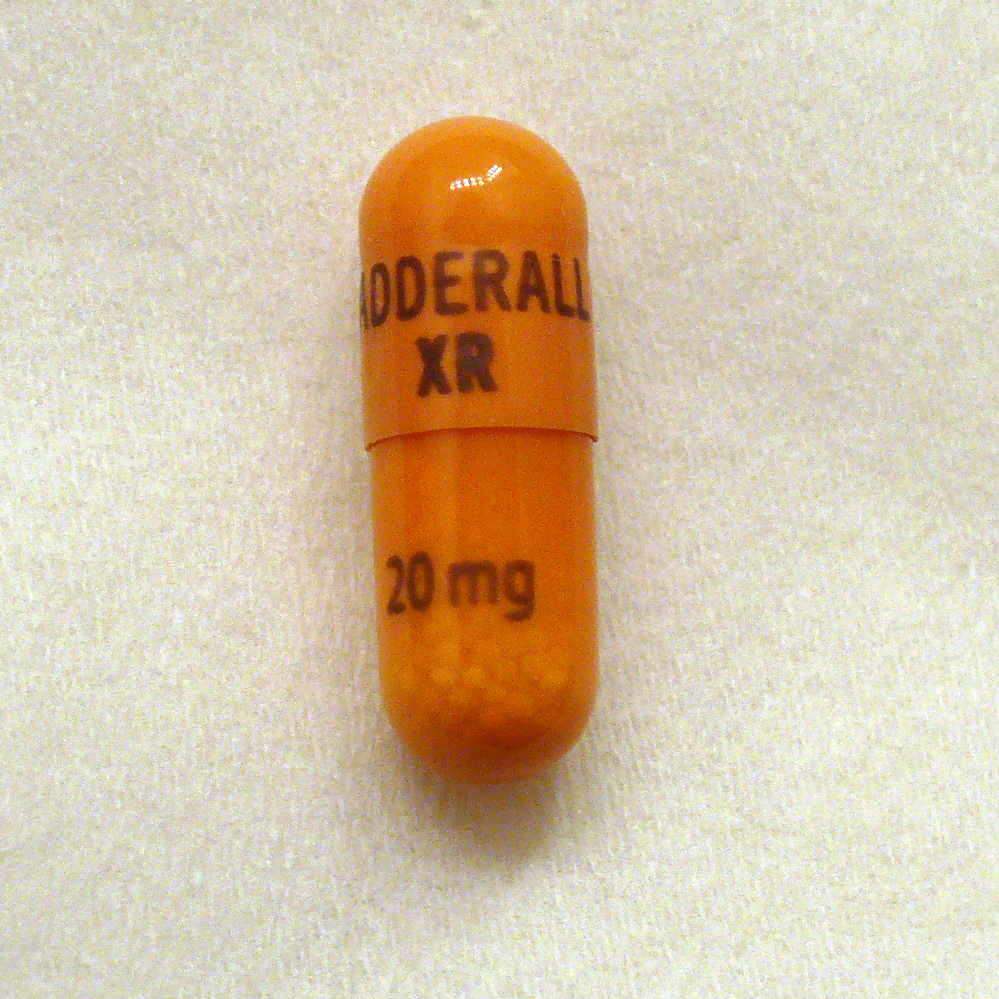
The abuse of ADHD drugs on college campuses has reached epidemic proportions, according to the authors of a recent review in the Journal of Ethical Human Psychology and Psychiatry. ADHD drugs, like Ritalin and Adderall, have become so commonplace on college campuses that students who abuse these drugs for studying, weight loss and partying are underestimating their risks. As a result, we have seen exponential increases in emergency room visits, overdoses, and suicides by students taking these drugs.
大學校園中對ADHD(ADHD)藥物的濫用已達到流行病(epidemic)程度,根據最近一篇發表於《倫理人類心理學與精神病學期刊》(Journal of Ethical Human Psychology and Psychiatry)的評論文章作者所言。ADHD(ADHD)藥物,如利他林(Ritalin)和艾得拉(Adderall),已在大學校園變得如此普遍,以至於濫用這些藥物來學習、減重和派對(partying)的學生低估了其風險。因此,我們看到由服用這些藥物的學生所導致的急診室就診、過量(overdoses)和自殺案例呈指數級增加。
In their featured article, Dr. Gretchen Watson, Dr. Andrea Arcona, and Dr. David Antouccio, convincingly lay out the nature of the ADHD drug abuse epidemic, the history of the ADHD debate, and suggestions for institutional reform.
在他們的專題文章中,Gretchen Watson博士、Andrea Arcona博士和David Antouccio博士,有說服力地闡述了ADHD(ADHD)藥物濫用流行病(epidemic)的本質、ADHD辯論的歷史,以及機構改革(institutional reform)的建議。
In 1999, a large-scale epidemiological study found that ADHD diagnoses and drug prescriptions were occurring at a rate three times higher than the estimates of the disorder, but, the authors claim, this line of research was effectively shut down by those with interests in the pharmaceutical industry. Rates of ADHD drug prescriptions continued to rise and in 2013 a front-page New York Times story about medical student Richard Fee reignited the debate. Fee had quickly obtained an ADHD diagnosis and accompanying prescription to help cram for tests while an undergraduate student. He became addicted to the drugs and had the prescription filled by multiple physicians, each failing to validate his diagnosis or council him on the drugs’ risks. The stimulant addiction set off a downward spiral that ended in suicide.
1999年,一項大規模流行病學(epidemiological)研究發現,ADHD診斷和藥物處方的發生率是該障礙估計值的三倍,但作者聲稱,這條研究線被那些在製藥業(pharmaceutical industry)有利益的人有效關閉。ADHD藥物處方的比率繼續上升,並在2013年,一篇關於醫學生Richard Fee的紐約時報(New York Times)頭版故事重新點燃了辯論。Fee在大學生時期迅速獲得ADHD診斷和伴隨的處方,以幫助臨時抱佛腳(cram for tests)準備考試。他對藥物上癮,並由多名醫師開具處方,每位都未能驗證他的診斷或輔導(counsel)他關於藥物風險。興奮劑(stimulant)成癮引發了向下螺旋(downward spiral),最終以自殺結束。
The story garnered national attention and prompted further reports on the use of prescription stimulant drugs on campuses. Several prominent physicians and psychiatrists spoke out against the over-prescription of these drugs. For example, renowned ADHD treatment expert Dr. C. Keith Conners called the rates of ADHD prescriptions “a national disaster of dangerous proportions” in 2013. Despite this outcry, the authors point to recent research suggesting that “many high school and college students report fearing that they cannot keep up with their peers unless they take ADHD drugs.”
這個故事引起了全國關注,並促使更多關於校園中使用處方興奮劑(prescription stimulant)藥物的報導。幾位知名醫師和精神科醫師公開反對這些藥物的過度處方(over-prescription)。例如,著名的ADHD治療專家C. Keith Conners博士在2013年稱ADHD處方的比率為「一個危險程度的国家災難(national disaster of dangerous proportions)」。儘管有這種譁然(outcry),作者指出最近的研究顯示「許多高中和大學學生報告害怕除非服用ADHD藥物,否則無法跟上同儕(peers)」。
According to the authors, “popular ADHD drugs such as Adderall, Concerta, Focalin, Vyvanse, and Ritalin have a high addictive potential,” and the FDA requires amphetamines to include a black box warning about the possibility of dependence and sudden death.
根據作者,「像艾得拉(Adderall)、康瑟達(Concerta)、Focalin(Focalin)、維萬斯(Vyvanse)和利他林(Ritalin)等流行ADHD藥物具有高成癮潛力(high addictive potential)」,而FDA(FDA)要求安非他命(amphetamines)包含關於依賴(dependence)可能性和猝死(sudden death)的黑框警告(black box warning)。
According to the authors, “popular ADHD drugs such as Adderall, Concerta, Focalin, Vyvanse, and Ritalin have a high addictive potential,” and the FDA requires amphetamines to include a black box warning about the possibility of dependence and sudden death.
The study authors list the following side-effects for ADHD drugs:
- nervousness,
- anxiety,
- sleep disturbances,
- growth suppression; appetite suppression, nausea, vomiting, and weight loss;
- dizziness and headaches;
- changes in heart rate, blood pressure, skin rashes, and toxic psychosis.
根據作者,「像艾得拉(Adderall)、康瑟達(Concerta)、Focalin(Focalin)、維萬斯(Vyvanse)和利他林(Ritalin)等流行ADHD藥物具有高成癮潛力(high addictive potential)」,而FDA(FDA)要求安非他命(amphetamines)包含關於依賴(dependence)可能性和猝死(sudden death)的黑框警告(black box warning)。
研究作者列出ADHD藥物的以下副作用(side-effects):
- 神經質(nervousness)
- 焦慮(anxiety)
- 睡眠障礙(sleep disturbances)
- 生長抑制(growth suppression);食慾抑制(appetite suppression)、噁心(nausea)、嘔吐(vomiting)和體重減輕(weight loss);
- 暈眩(dizziness)和頭痛(headaches);
- 心率變化(changes in heart rate)、血壓(blood pressure)、皮膚疹(skin rashes)和毒性精神病(toxic psychosis)。
In addition, if taken at a high dose, “stimulant medication can result in paranoia, delusions, and hallucinations and circulatory and pulmonary problems—sometimes leading to accidental death and suicide.” “Of greater concern,” the authors add, “there is evidence to suggest that the medications used to treat ADHD can induce symptoms associated with the more serious diagnosis of bipolar disorder, which is routinely treated with a host of powerful drugs like antidepressants such as Prozac and antipsychotics such as Risperdal.”
此外,如果高劑量服用,「興奮劑藥物(stimulant medication)可能導致偏執(paranoia)、妄想(delusions)和幻覺(hallucinations)以及循環(circulatory)和肺部(pulmonary)問題——有時導致意外死亡(accidental death)和自殺(suicide)。」「更令人擔憂的是(Of greater concern),」作者補充道,「有證據顯示,用於治療ADHD的藥物可能誘發與更嚴重診斷——雙極性障礙(bipolar disorder)——相關的症狀,而雙極性障礙通常以一系列強效藥物治療,如抗抑鬱藥(antidepressants)如百憂解(Prozac)和抗精神病藥(antipsychotics)如利培酮(Risperdal)。」
Despite these serious risks, studies show that professionals, parents, and students “underestimate the power of these prescription drugs because of the ‘successful’ marketing campaigns of the pharmaceutical industry.” The “preponderance of the drugs among the college student population” also increases the risk that many students will use the drug off-label or without a prescription. Off-label use is increasingly risky as someone with undiagnosed cardiac issues could potentially die suddenly from stimulant use.
儘管有這些嚴重風險,研究顯示專業人士、父母和學生「因為製藥業(pharmaceutical industry)的『成功』行銷活動(marketing campaigns)而低估了這些處方藥物的力量。」大學生族群中藥物的「普遍性(preponderance)」也增加了許多學生離標(off-label)使用或無處方使用藥物的風險。離標使用(off-label use)日益危險,因為有未診斷心臟問題(cardiac issues)的人可能因興奮劑使用(stimulant use)而突然死亡。
The authors summarize research revealing that on some campuses as many as two-thirds of students have been offered an ADHD stimulant, and one-third admit to abusing ADHD drugs. Most students report taking the drugs in pill form, but as many as 15% of students report having crushed and snorted the pills. The abuse of ADHD drugs has found to be more prevalent in the most competitive colleges and universities, including those in the Ivy League, but, at the same time, higher rates of abuse have been associated with lower GPAs.
作者總結研究顯示,在某些校園中,高達三分之二的學生曾被提供ADHD興奮劑(ADHD stimulant),而三分之一承認濫用(abusing)ADHD藥物。大多數學生報告以藥丸形式(pill form)服用藥物,但高達15%的學生報告曾壓碎(crushed)和鼻吸(snorted)藥丸。ADHD藥物的濫用已被發現在大多數競爭最激烈的學院和大學更為普遍,包括那些在常春藤聯盟(Ivy League)的,但同時,更高的濫用率與較低的GPA(GPAs)相關聯。
Studies have documented that stimulant use can improve focus and “improve performance on boring, repetitive tasks,” but “after 30 years of research on the topic, not a single study has linked ADHD drug treatment with improved academic outcomes.”
研究顯示,興奮劑(stimulant)使用可以改善專注力(focus)並「改善在無聊、重複性任務(boring, repetitive tasks)上的表現」,但「在這個主題上經過30年的研究,沒有一項研究將ADHD藥物治療與改善學業成果(academic outcomes)聯繫起來。」
“Although students are correct in noting that the drugs help them stay awake and, therefore, increase their ability to cram and pull ‘all-nighters,’ there is no evidence that doing so actually improves learning or retention of information.”
「雖然學生正確地注意到這些藥物幫助他們保持清醒,因此增加他們臨時抱佛腳(cram)和熬夜(pull ‘all-nighters’)的能力,但沒有證據顯示這樣做實際上改善學習(learning)或資訊保留(retention of information)。」
To stem the tide of the ADHD drug epidemic on college campuses, the authors recommend that these institutions consider the following reforms:
- Prohibit direct to student advertising by pharmaceutical companies
- Provide education and training on this issue to faculty and staff
- Implement student and parent education systems on these issues
- Consider adding illegal use of ADHD drugs to academic dishonesty policies
- Set up systems to track and monitor trends in the use/abuse of these drugs
- Communicate all initiatives taken on this issue to the entire community
為了遏止(stem the tide)大學校園中ADHD藥物流行病(epidemic)的潮流,作者建議這些機構考慮以下改革(reforms):
- 禁止製藥公司(pharmaceutical companies)直接對學生廣告
- 為教職員(faculty and staff)提供關於此議題的教育和培訓
- 實施關於這些議題的學生和家長教育系統
- 考慮將ADHD藥物的非法使用加入學術不誠實(academic dishonesty)政策
- 建立系統來追蹤和監控這些藥物使用/濫用(use/abuse)的趨勢
- 向整個社區傳達在此議題上採取的所有倡議(initiatives)
They conclude:
“Given the serious risks and limited benefits associated with ADHD drug treatment, restarting the public and professional debate over current diagnostic and treatment trends may be in the best interest of students, the schools they attend, and their surrounding communities.”
他們結論道:
「鑑於與ADHD藥物治療(ADHD drug treatment)相關的嚴重風險(serious risks)和有限益處(limited benefits),重新啟動(restarting)關於當前診斷和治療趨勢(current diagnostic and treatment trends)的公眾和專業辯論(public and professional debate),可能符合學生、他們就讀的學校及其周圍社區的最佳利益(best interest)。」
*
Watson, G. L., Arcona, A. P., & Antonuccio, D. O. (2015). The ADHD Drug Abuse Crisis on American College Campuses. Ethical Human Psychology and Psychiatry, 17(1), 5-21. (Full Text)
Watson, G. L., Arcona, A. P., & Antonuccio, D. O. (2015). 美國大學校園中的ADHD藥物濫用危機(The ADHD Drug Abuse Crisis on American College Campuses)。倫理人類心理學與精神病學(Ethical Human Psychology and Psychiatry),17(1),5-21。(Full Text)